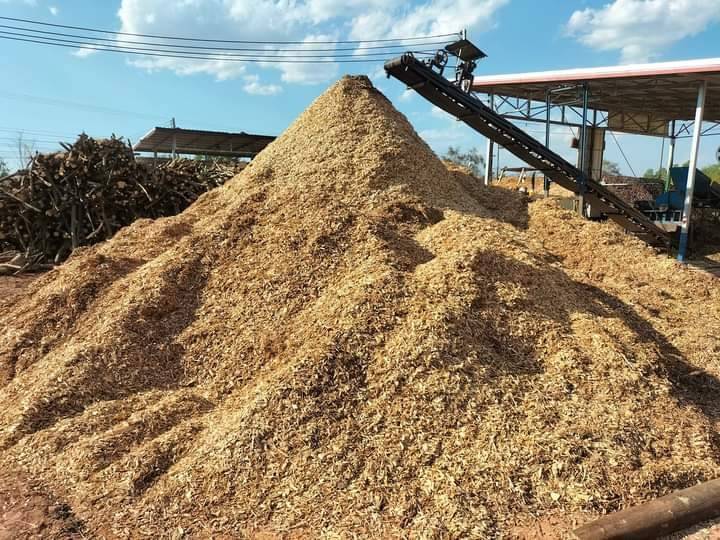
タイは「非針葉樹(非‐coniferous)木片・木チップ(HSコード 440122 など)」の輸出国として存在感があります。2023年には「Non-coniferous wood in chips or particles」の輸出額が約 4億7,438万米ドル、数量約 49.8億kgに達しています。wits.worldbank.org+2oec.world+2
主に輸出先としては日本、中国、ラオスなどが挙げられています。wits.worldbank.org
加えて、タイ国内では、例えば Sang Thai Woodchips Company Limited(サン・タイ・ウッドチップス社)が、ユーカリ(Eucalyptus)原木を原料に木チップ製造・輸出を行っており、信頼性の高いサプライヤーとして紹介されています。stc-group.com+1
また、製紙パルプ原料用途やバイオマス燃料用途としての注目もあります。
概要
- タイは「非針葉樹(非‐coniferous)木片・木チップ(HSコード 440122 など)」の輸出国として存在感があります。2023年には「Non-coniferous wood in chips or particles」の輸出額が約 4億7,438万米ドル、数量約 49.8億kg に達しています。wits.worldbank.org+2oec.world+2
- 主に輸出先としては日本、中国、ラオスなどが挙げられています。wits.worldbank.org
- 加えて、タイ国内では、例えば Sang Thai Woodchips Company Limited(サン・タイ・ウッドチップス社)が、ユーカリ(Eucalyptus)原木を原料に木チップ製造・輸出を行っており、信頼性の高いサプライヤーとして紹介されています。stc-group.com+1
- また、製紙パルプ原料用途やバイオマス燃料用途としての注目もあります。paperindex.com+1
特徴・強み
- 量的な供給能力
- 輸出統計により、大量輸出が可能であることが確認されています(数十億kg単位)wits.worldbank.org
- 加工プラントの例として、Siam Tree Development社が東部タイ(チョンブリ県サタヒップ)に年産 240,000 トンの能力をもつユーカリ木チップ製造・輸出施設を設けていたという報告もあります。FAOHome
- 原料の調達・立地優位
- 多くの原料(ユーカリ原木など)は、タイ東部のプロヴィンス(チョンブリ、チャチュンサオ、プラチンブリー、ラヨーンなど)から供給が可能です。FAOHome
- また、港湾・輸出物流インフラが整備されつつあり、輸出に向けた積み出し体制が構築されています。stc-group.com
- 用途の多様性
- 木チップは製紙・パルプ原料、バイオマス燃料、板材・合板原料、さらには木質化製品の原料として使われています。paperindex.com
- 需要地域もアジアを中心に多岐に渡っており、輸入側からも「安定供給」「量産可能」という点で関心があります。
契約・輸入時に確認すべきポイント
- 原産地証明/原木調達の透明性:タイ国内の植林・原木供給のルート、適法性(伐採許可等)を確認すべきです。
- 木チップの規格・品質:例えば、チップサイズ(mm)、含水率、含塵率、品種(ユーカリ、アカシア、混合など)、破砕・乾燥条件など。
- 港・物流条件:出荷港(例:レムチャバン、サタヒップ)、梱包形式(バルク、コンテナ)、積み込み方法(バージ・船積)などを確認。
- 用途適合性:輸入後の用途(製紙、バイオマス、板材等)に応じた仕様が満たされているかを供給者と明確に。
- 証明書・認証:合法伐採証明、環境・持続可能性認証(例:FSC/PEFCなど)があれば信頼性向上。
- 契約条件・支払条件・納期:MOQ(最小発注量)、納期、支払条件、検品・品質保証条項を明確化。
注意点・リスク
- 原木供給が適法でない、または環境規制が甘い場合、輸入国での規制対応や通関トラブルの可能性があります。
- 海外(日本・中国等)輸入時、木材・木質製品には 植物検疫・害虫検査(例:ISPM 15等) の適用がある場合があります。ウィキペディア
- 品質のばらつき(含水率高、異物混入、サイズ不揃い)や物流中の損害(湿気、虫害など)により、用途適合性に影響が出ることがあります。
- 木材価格・輸送コスト・為替変動・環境規制強化(伐採制限、林地転用規制など)による供給変動が存在します。
1. General Overview
Thailand is one of Southeast Asia’s key exporters of non-coniferous wood chips (HS Code 440122).
According to 2023 trade data, Thailand exported approximately 4.74 billion USD worth of wood chips (around 4.98 billion kg) to markets such as Japan, China, and Laos.
(Source: World Bank – WITS)
Notable producers include Sang Thai Woodchips Co., Ltd. and Siam Tree Development Co., Ltd., which mainly process Eucalyptus wood for pulp and biomass fuel.
Their factories are typically located in Thailand’s eastern provinces (e.g., Chonburi, Rayong, Prachinburi, Chachoengsao), close to deep-sea ports like Laem Chabang and Sattahip, ensuring efficient export logistics.
(Source: STC Group)
2. Key Characteristics and Strengths
- Large-Scale Production Capacity
- Thailand maintains industrial-scale wood-chip production, with annual plant capacities reaching 200,000 – 300,000 tons per facility.
- Export volumes are among the highest in ASEAN, driven by long-term contracts with Japanese pulp and biomass buyers.
- Raw Material Advantage
- Eucalyptus plantations are abundant across Thailand’s eastern and northeastern regions, providing a stable and renewable feedstock base.
- Many plantations are managed under government-approved reforestation or private sustainable forestry programs.
- Wide Range of Applications
- Paper & pulp industry: bleached and unbleached pulp production.
- Biomass energy: feedstock for power generation.
- Panel & engineered wood products: MDF, particleboard, and composite materials.
3. Export and Supply Chain Advantages
- Proximity to ports such as Laem Chabang and Sattahip facilitates bulk and containerized exports.
- Availability of bulk carriers and chip loaders makes Thailand a regional hub for wood-chip shipping to Japan, Korea, and China.
- Many exporters hold FSC or PEFC sustainable forestry certification, enhancing credibility for ESG-focused importers.