ESOL ENERGY — Clean Creation Alliance
WTE & Clean Industry Program | Technology Transfer from Japan to Thailand
ESOL Energy Co., Ltd. CEO Takahashi Hideaki(高橋秀明) 23rd Floor, Two Pacific Place, 142 Sukhumvit Road, Klongtoey, Bangkok 10110, Thailand Mailing Address: taka6613@me.com TEL: +66629790288 (Thailand) “ESOL Services Association” ESA 資源環境技術サービス協会 (23rd Floor, Two Pacific Place, 142 Sukhumvit Road, Klongtoey, Bangkok 10110, Thailand ) |
Executive Snapshot / ภาพรวม
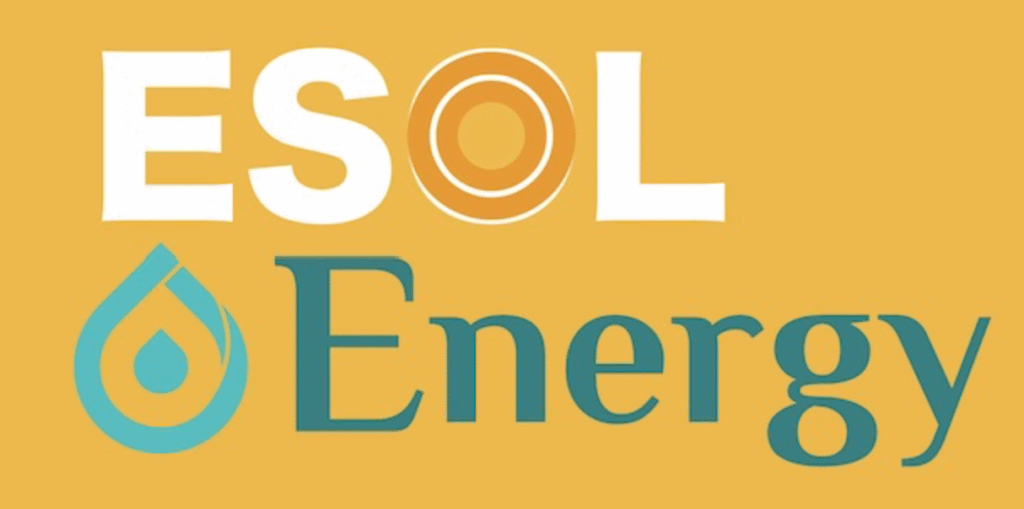
Mission: Integrate proven Japanese and global clean‑tech—led by Prof. Ishikawa’s advanced Waste‑to‑Energy (WTE)—to build a sustainable, high‑efficiency industrial ecosystem across Thailand.
Key Pillars: WTE | Solar/Wind/Biomass | Resource Recycling | Next‑Gen Batteries | Water/PFAS/Heavy‑Metal Treatment | Agri/Industry Enablement | JBIC/JICA Finance
Outcome: Reliable power & heat, lower emissions, safer residues, bankable projects, and jobs/skills via local participation (contact farming & contract manufacturing).
1) Why Ishikawa WTE (vs. Conventional) / เหตุผลที่เลือกเทคโนโลยี WTE ของอิชิคาวะ / 石川式WTEの優位性
Field‑proven >30 years; solves common global WTE pain points.
Typical global WTE issues
- Low thermal/combustion efficiency → weak power output; poor economics.
- Large residuals/slag → landfill pressure; hazardous handling.
- Unstable combustion → blast risk; low uptime.
- Furnace damage → frequent maintenance; higher OPEX.
- Low net generation → below design; revenue shortfall.
- CO₂ mitigation insufficient.
- Incomplete combustion → toxins/odors; community opposition.
- Difficult ash management (heavy metals).
- Weak durability → frequent repairs; low availability.
Ishikawa WTE responses
- Stable high‑temperature staged combustion: optimized air ratio, residence time, turbulence control → complete burn, higher LHV utilization.
- Advanced grate/liner metallurgy & thermal stress management → furnace longevity, lower downtime.
- Real‑time control (O₂, CO, furnace temp maps) → safety & efficiency; explosion risk mitigation.
- Integrated flue‑gas cleaning (acid gas, dioxins, NOx/PM) + odor controls → community acceptance.
- Ash handling & detox (heavy‑metal immobilization/vitrification options) → landfill burden reduced.
- Heat recovery optimization (steam cycle & ORC options) → net power ↑; CHP capable.
- Lifecycle reliability: parts standardization, predictive maintenance, training.
Result: Higher net efficiency, safer operations, lower emissions, bankable uptime.
2) Vision & Policy / วิสัยทัศน์และนโยบาย / ビジョン・ポリシー
Vision / วิสัยทัศน์ / ビジョン
- Introduce advanced Japanese & global tech to Thailand; aggregate next‑gen renewable & environmental solutions.
- Grow Thailand’s clean industry for a sustainable society.
- Support Japan’s resource/food security; enable Thai industry via contact farming & contract manufacturing.
Policy / นโยบาย / ポリシー
- Technology transfer to uplift local capabilities.
- Environment‑first: recycling, waste mgmt., water treatment, hazardous neutralization (PFAS/heavy metals).
- Build a clean industrial ecosystem (RE + batteries + env‑tech).
- Safeguard resources/food; raise agro‑food efficiency in Thailand.
- International finance (JBIC/JICA) for sustainable projects.
- Local participation: jobs, skills, MSME inclusion.
3) Business Lines / ภาพรวมธุรกิจ / 事業概要
A. Renewable Energy
- Solar (on/off‑grid) design–build–operate; wind & biomass deployment; generation optimization & energy saving.
B. Resource Recycling & Waste
- Battery recycling (lead/aluminum/plastics), e‑waste & industrial waste, WTE EPC/O&M guidance.
C. Next‑Gen Batteries & Materials
- Capacitor, lithium & multi‑material batteries; advanced material applications (sea‑water, lead, H₂, Al); local training & production.
D. Environmental Tech & Consulting
- Pyrolysis/oil‑from‑waste; PFAS/heavy‑metal neutralization; water pollution control; plant design; EIA/EHIA advisory; regulatory compliance.
E. Agriculture, Food & Industry Enablement
- Contact farming; contract manufacturing; food/resource security programs.
F. International & Financing Support
- Feasibility & FCO for Japan‑tech projects; JBIC/JICA‑linked financing; investment risk & business planning.
4) Technology Stack / ภาพรวมเทคโนโลยี / 技術概要
- RE Systems: PV/wind/biomass design–build–monitor; off‑grid EMS; data‑driven optimization.
- WTE Plant: staged combustion, emissions control, CHP/ORC; ash detox & residues minimization.
- Recycling: high‑temp furnaces, chemical/physical separations; battery material recovery.
- Env. Remediation: PFAS & heavy‑metal immobilization/neutralization; industrial wastewater.
- Battery R&D: high‑durability capacitors; multi‑material chemistries; AI‑assisted design.
- Consulting: EIA/EHIA/ESA; plant EPCM; regulatory; cost & impact analysis.
5) Thailand Implementation Pathway / แผนปฏิบัติการในประเทศไทย / 導入ロードマップ(タイ)
Phase 1 – Origination (0–6 mo.)
- Stakeholder alignment (MEA/PEA/EGAT, DIW, SAO/municipalities); site shortlist.
- Pre‑FS & FCO; offtake & waste‑supply MoUs; initial JBIC/JICA dialogues.
Phase 2 – Permitting & FS (6–12 mo.)
- Detailed FS (tech/econ/env.); EIA/EHIA scoping; DIW permits (e.g., 105/106/107/110 per facility type & process); grid studies.
Phase 3 – EPC & Financing (12–24 mo.)
- EPC bid & award; project finance close (JBIC/JICA blended); owner’s engineer mobilization.
Phase 4 – Commissioning & O&M (24+ mo.)
- Performance testing; operator training; predictive maintenance; continuous improvement.
Municipal pathway: SAO waste concession → WTE EPC → PPA/CHP heat sales → ash handling contract.
6) Compliance & ESG / กำกับดูแลและความยั่งยืน / コンプライアンスとESG
- Air emissions: dioxins/NOx/SO₂/HCl/PM controls; CEMS.
- Residues: bottom ash reuse options; fly ash detox; hazardous chain‑of‑custody.
- Community: odor/noise control; public engagement; grievance mechanism.
- Governance: transparent procurement; anti‑corruption; safety (LOTO, hot‑work, explosion prevention).
- Metrics: net kWh/ton, diversion rate %, CO₂e avoided, uptime %, cost/MWh, jobs created.
7) Program KPIs / ตัวชี้วัดหลัก / 主要KPI
- Net efficiency ≥ 20–28% (plant size dependent); availability > 90%.
- Residuals reduction > 30–50% vs. baseline; compliant emissions 100%.
- LCOE within regulated/competitive bands; positive EBITDA year‑1 of full ops.
- Localization: >60% local O&M workforce within 24 months;
- Community acceptance: grievance incidents < 2/year; odor complaints ↓ YoY.
(Indicative targets; finalized per FS/EIA.)
8) Financing & Partnerships / การเงินและพันธมิตร / 資金・連携
- JBIC/JICA: green & transition financing windows; blended structures with Thai lenders.
- PPP/Concession: SAO municipal waste concession; PPA with MEA/PEA/EGAT where applicable.
- Industrial Estates: 304, Blue Tech City, etc. for pilot hubs.
- Academia & Experts: Prof. Ishikawa (Tokyo WTE), Thai universities for training & R&D.
9) Contact / ติดต่อ / 連絡先
ESOL ENERGY Co., Ltd.
Email: yt.group@icloud.com| Web: esolgroup.asia / esolenergy.site
(Replace with official contacts & QR)
Appendix A) Thai (TH) — Vision/Policy (Full)
วิสัยทัศน์
• นำเทคโนโลยีชั้นสูงจากญี่ปุ่นและทั่วโลกเข้าสู่ประเทศไทย…
นโยบาย
- มุ่งเน้นการถ่ายทอดเทคโนโลยี … 6) การมีส่วนร่วมของท้องถิ่น …
Appendix B) Japanese (JP) — ビジョン・ポリシー
ポリシー(Policy / นโยบาย)
1️⃣ 技術革新と現地最適化
Technological Innovation & Local Adaptation
นวัตกรรมทางเทคโนโลยีและการปรับใช้ให้เหมาะสมกับพื้นที่
日本および世界の革新的技術をタイ・ASEANの現場ニーズに合わせて導入。
“Import”ではなく“Co-Creation(共創)”を重視。
Introducing innovative technologies from Japan and around the world, optimized for Thailand and ASEAN — focusing on co-creation, not mere import.
นำเทคโนโลยีที่เป็นนวัตกรรมจากญี่ปุ่นและทั่วโลกมาปรับใช้ให้เหมาะกับประเทศไทยและอาเซียน โดยเน้นการ “สร้างร่วมกัน” ไม่ใช่แค่การนำเข้า
2️⃣ 環境保全と経済発展の両立
Balance between Environmental Protection and Economic Growth
ความสมดุลระหว่างการอนุรักษ์สิ่งแวดล้อมและการพัฒนาเศรษฐกิจ
再エネ・リサイクル・水資源管理を通じて、自然と経済の調和を実現。
Through renewable energy, recycling, and water management, we create harmony between nature and the economy.
ส่งเสริมความสมดุลระหว่างธรรมชาติและเศรษฐกิจ ผ่านพลังงานหมุนเวียน การรีไซเคิล และการจัดการทรัพยากรน้ำอย่างยั่งยืน
3️⃣ 地域社会・行政・大学との協働
Collaboration with Local Communities, Government, and Academia
ความร่วมมือกับชุมชนท้องถิ่น หน่วยงานรัฐ และสถาบันการศึกษา
SAO(地方行政)、大学(TNI・Mahidol・Kasetsart 等)、JICA・WMAと連携し、
教育・雇用・産業・環境を包括する地域共生型プラットフォームを構築。
We collaborate with SAOs, universities (TNI, Mahidol, Kasetsart), JICA, and WMA to build inclusive regional platforms covering education, employment, industry, and environment.
เราทำงานร่วมกับองค์กรปกครองส่วนท้องถิ่น มหาวิทยาลัย (TNI, Mahidol, Kasetsart) รวมถึง JICA และ WMA เพื่อสร้างระบบเศรษฐกิจชุมชนที่ยั่งยืน ครอบคลุมการศึกษา การจ้างงาน อุตสาหกรรม และสิ่งแวดล้อม
4️⃣ デジタル&データドリブン経営
Digital and Data-Driven Management
การบริหารจัดการด้วยดิจิทัลและข้อมูล
AI・IoT・データ分析を活用し、環境・資源・健康・経済を可視化。
透明で責任あるESG経営を推進。
By utilizing AI, IoT, and data analytics, we visualize environmental, resource, health, and economic data to ensure transparent and responsible ESG management.
ใช้ AI, IoT และการวิเคราะห์ข้อมูลเพื่อทำให้ข้อมูลด้านสิ่งแวดล้อม ทรัพยากร สุขภาพ และเศรษฐกิจมีความโปร่งใส และส่งเสริมการบริหารจัดการตามหลัก ESG อย่างมีความรับผิดชอบ
5️⃣ 未来世代への責任
Responsibility to Future Generations
ความรับผิดชอบต่อคนรุ่นอนาคต
子どもたちの健康・地域の安全・地球の未来を守るため、
長期的な社会価値を創造し続ける。
We are committed to protecting children’s health, community safety, and the planet’s future — creating long-term social value.
เรามุ่งมั่นในการปกป้องสุขภาพของเด็ก ความปลอดภัยของชุมชน และอนาคตของโลก เพื่อสร้างคุณค่าทางสังคมในระยะยาว
- 技術移転重視 … 6) 現地参画型産業 …